Our Mission
The Rivercane Restoration Alliance was formed by the U.S. Army Corps of Engineers' Tribal Nations Technical Center of Expertise, in partnership with the Sustainable Rivers Program, The Nature Conservancy, and the University of Alabama Water Institute, to bring Traditional Indigenous Ecological Knowledge together with Western ecological science in pursuit of successful rivercane recovery.
Rivercane at a Glance
Figures drawn from Alliance reporting and press coverage — see News & Recognition for sources.
Why Rivercane Matters
A Cultural Keystone Species
Rivercane shapes the cultural identity of Native communities across the Southeast — used in basketry, tools, medicine, and spiritual practice for generations.
An Ecological Anchor
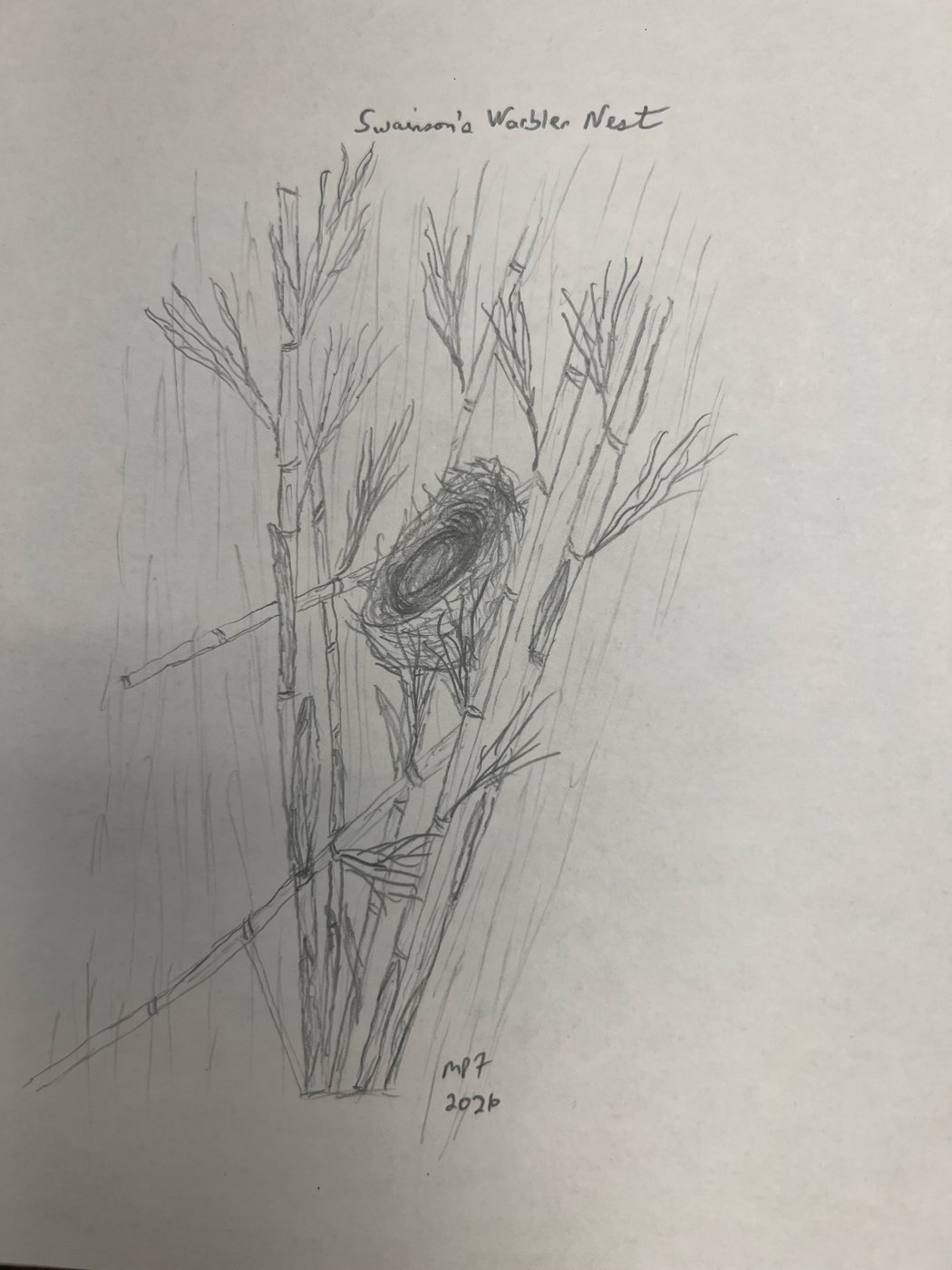
Dense canebrakes filter water, stabilize streambanks, buffer floods, and provide habitat for species like the Swainson's Warbler and Louisiana black bear.
A Flood-Resilience Ally
Waterways lined with rivercane saw significantly less erosion during Hurricane Helene than those without it — a natural, low-cost line of defense.
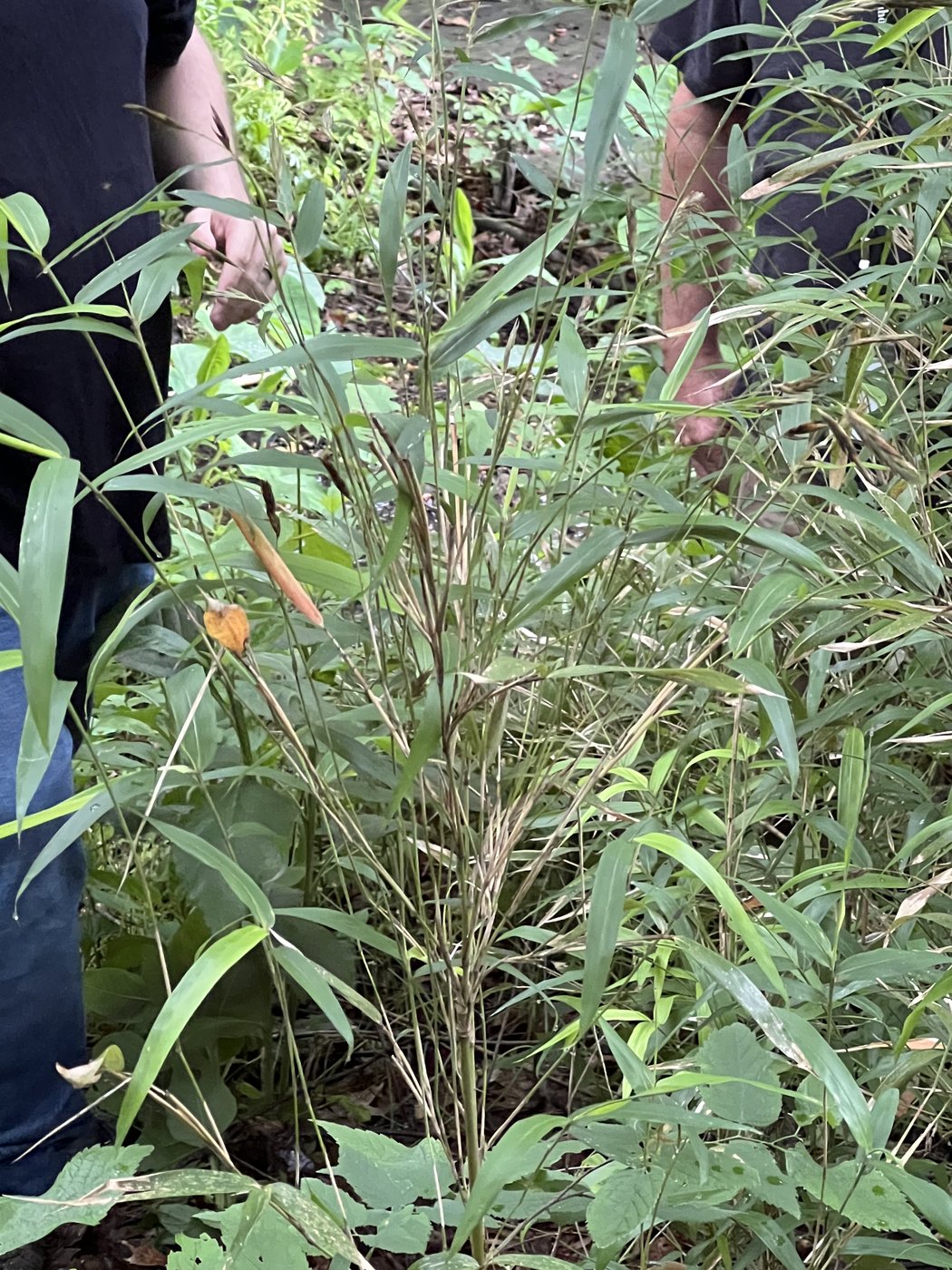
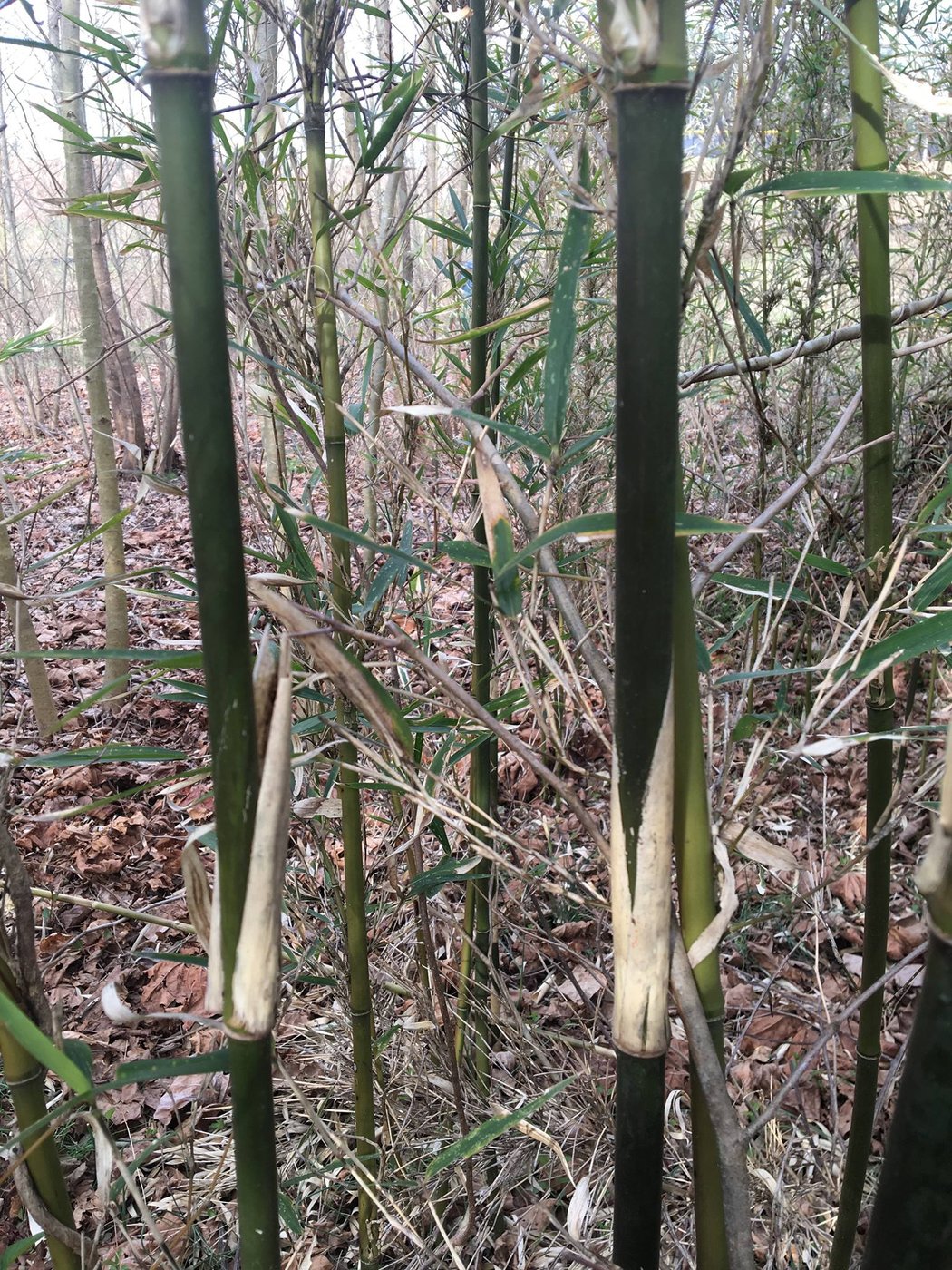
Rivercane in the Field
Join Our Mailing List
Get restoration updates, workshop announcements, and our newsletter straight to your inbox.
Get Involved
Interested in partnering, volunteering, or learning more about rivercane restoration in your area?
contact@restorerivercane.org