Restoration StoryMap
An interactive map of restoration sites and partner projects across the region.
Featured Restoration Projects
Robert S. Kerr Reservoir — Eastern Oklahoma
Spanning 43,800 acres with 250 miles of shoreline, this reservoir supports flood control, water supply, and native rivercane, fish, and wildlife conservation — a research site for restoration in partnership with tribal stewards.
Tuscaloosa Cane Patch — Alabama
Since 2024, the Jena Band of Choctaw and the CONSERVE team have jointly managed a cane patch in Tuscaloosa, sustainably tending over 90,000 square feet of cane in partnership with tribal knowledge holders.
Tuckabum Creek — Alabama
A planting of 300 stalks along Tuckabum Creek represents the largest rivercane restoration effort in Alabama so far, part of a broader push across 12 southeastern states.
Post-Helene Restoration — North Carolina
Following Hurricane Helene, nearly 700 rivercane shoots were planted as part of recovery efforts — waterways already lined with rivercane saw significantly less erosion during the storm than those without it.
UA CONSERVE Greenhouses
At the University of Alabama, CONSERVE greenhouses propagate rivercane from rhizome cuttings, supplying planting stock for restoration sites while advancing the science of rivercane genetics and cultivation.
The “Cane Train” Method
A propagation approach that produces plantable rivercane cuttings for around $6 each — compared to $50–$60 per plant from traditional nurseries — making large-scale restoration far more feasible.
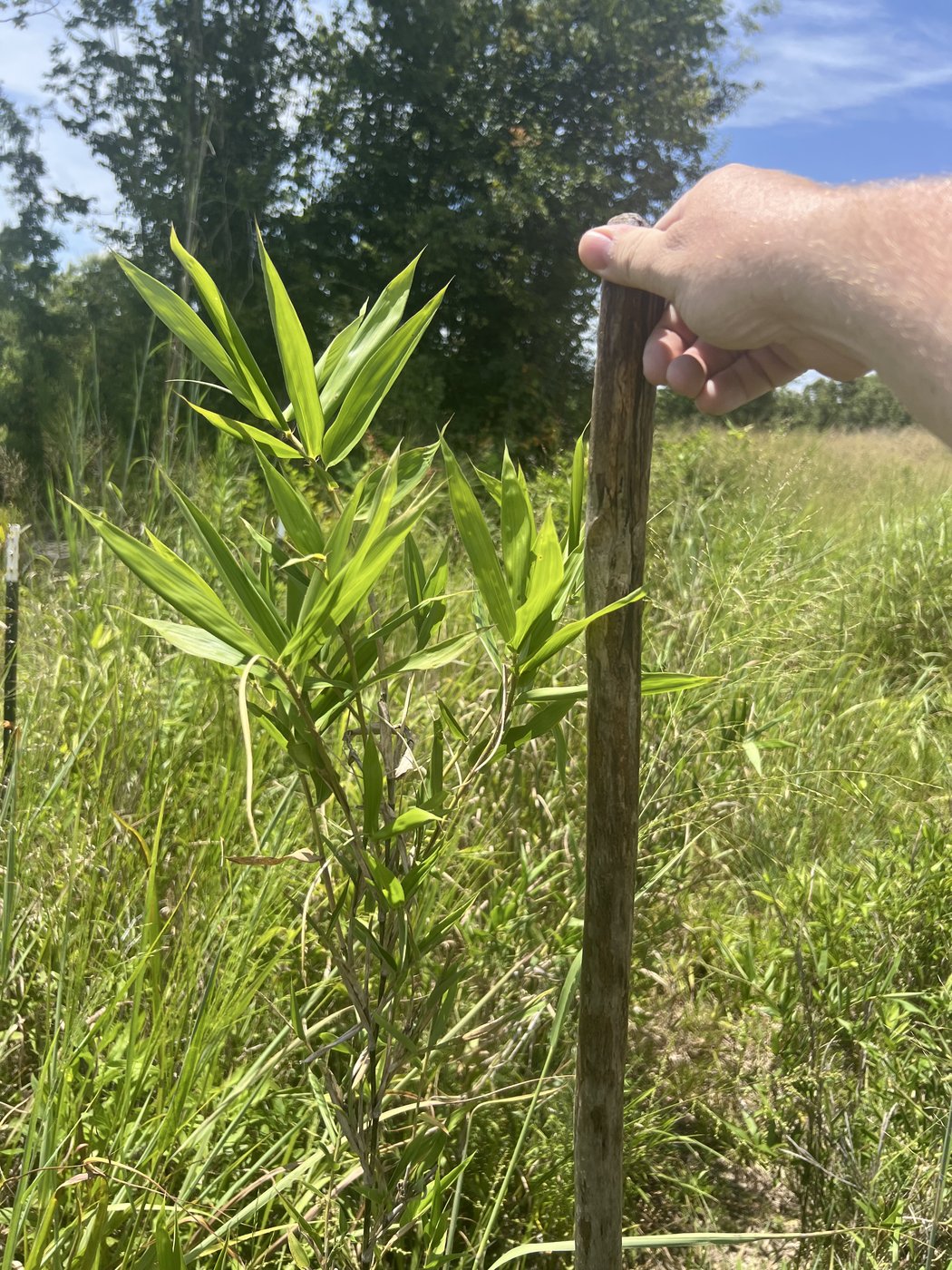
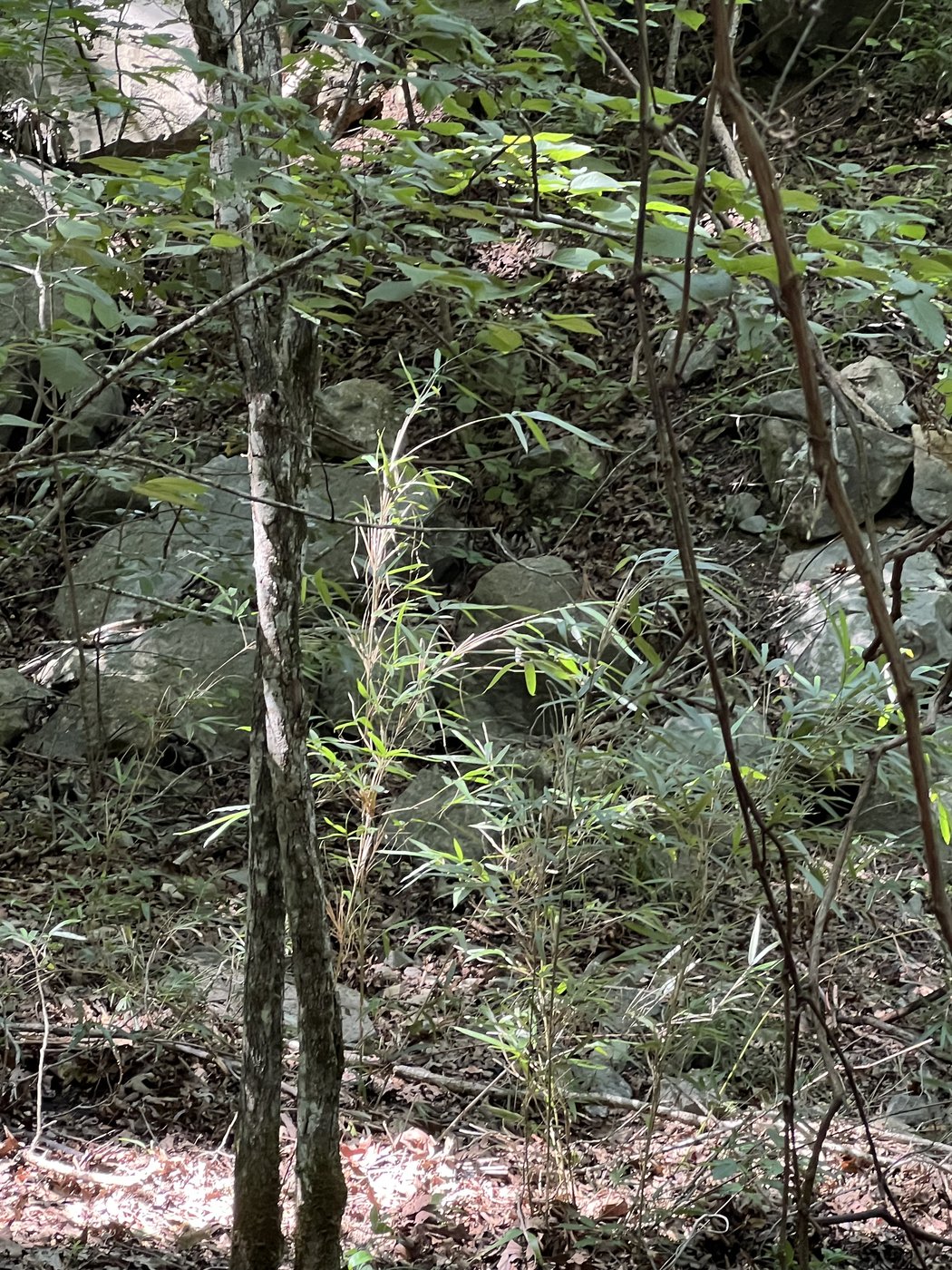
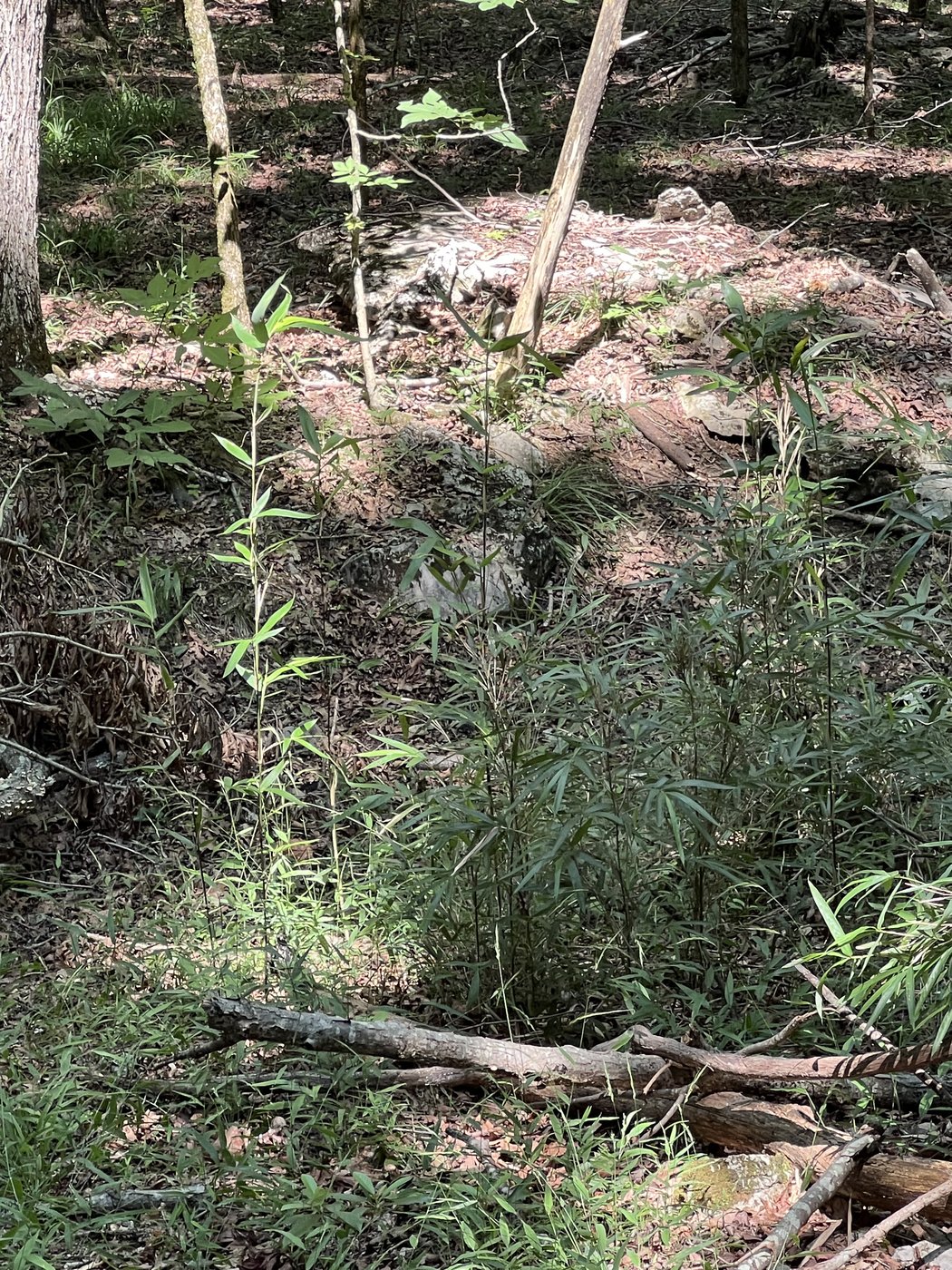
From the Field
Traditional Knowledge in Practice
Passing Down Choctaw Basket Weaving
Ms. Rose Fisher, of the Jena Band of Choctaw, has shared how to weave a traditional Choctaw burden basket — a skill she waited 60 years to pass on to her community. Practices like hers depend directly on healthy, harvestable rivercane stands, tying restoration work to the survival of living cultural traditions.
Working on a restoration project of your own?
We'd love to hear about it and explore how it might connect to the Alliance's work.
contact@restorerivercane.org